
Azureus BitTorrent Client: What It Became and Where to Download It
Azureus was the original name of the Java-based BitTorrent client later branded as Vuze. This guide separates that software lineage from unrelated Azureus results, explains the archived download path, and shows when a maintained successor is the better choice.
Open the Azureus/Vuze project filesThe button opens the established Azureus/Vuze project page on SourceForge after a confirmation. This site does not host or modify installers.

- Original name
- Azureus Java BitTorrent client
- Later brand
- Vuze Same software lineage
- Legacy release context
- Vuze 5.7.6.0 Commonly listed final Vuze line
- Maintained descendant
- BiglyBT 4.1.0.0 Verified on GitHub, May 20, 2026
What is the Azureus BitTorrent client?
Azureus is a desktop BitTorrent client originally written in Java. It became known for detailed transfer information, queue rules, bandwidth controls, plugin support, remote-management options and a level of configuration that simpler torrent clients often hide. The name still appears in old guides, configuration folders and the SourceForge project path.
For software searches, Azureus and Vuze are not two unrelated clients. Azureus was the earlier product name; Vuze was the later brand used as the application expanded beyond its original interface. This distinction matters because search results for the single word “Azureus” also include animals, games and other unrelated entities. A valid software result should clearly refer to the BitTorrent client, Vuze or the established project source.
How Azureus became Vuze
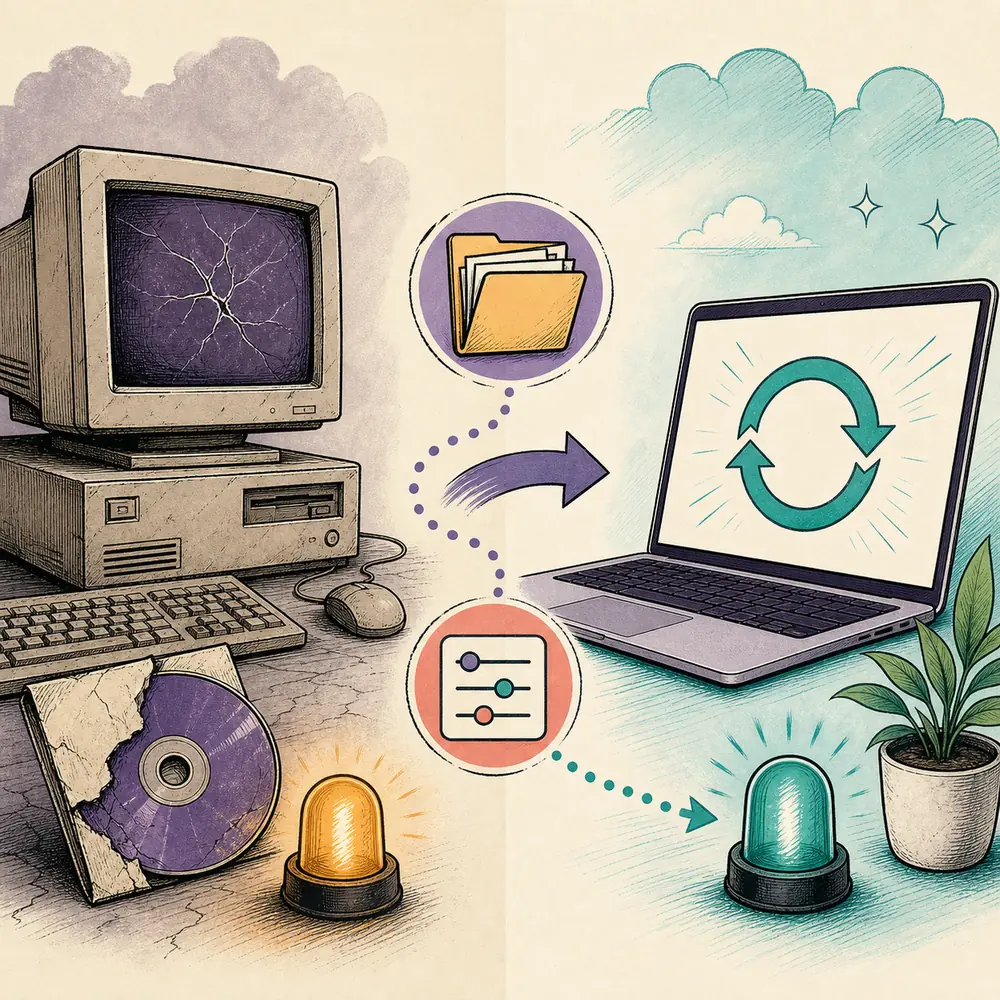
The client began under the Azureus name, then adopted the Vuze brand as its developers added media discovery, playback and commercial features around the original torrent engine. The underlying project lineage is why archived file locations and technical references can still use “Azureus” even when the downloadable package is labeled Vuze.
That history also explains the common searches “Azureus Vuze” and “Azureus Vuze download.” They describe one lineage rather than a current choice between two separately maintained applications. If you need the old interface for a documented workflow, review the archived Vuze files. If you are building a new setup, compare a maintained client first.
Where can you download Azureus today?
The established project listing is the Azureus/Vuze area on SourceForge. It is a project page, not a promise that every archived package is current or compatible with a modern operating system. Vuze 5.7.6.0 is commonly presented as the final Vuze release line, but the original Vuze website and an accessible first-party update feed could not be verified during the July 22, 2026 check.
Because no stable first-party Azureus installer URL and current release feed could be verified, this guide uses the SourceForge project page as a source-page fallback rather than inventing a direct download. At the source, inspect the full folder path, filename, platform and architecture. Avoid mirrors that add download managers, “Plus unlocked” claims, cracks or unrelated browser extensions.
- Confirm the legacy needUse Azureus/Vuze only when a plugin, workflow or archived environment requires it.
- Open the project sourceStart from the Azureus/Vuze SourceForge project tree rather than an unknown mirror.
- Match the packageVerify the operating system, architecture and filename before downloading.
- Keep protections enabledDo not disable antivirus, SmartScreen or Gatekeeper merely to force an old package to run.
Should you use archived Azureus/Vuze or a maintained client?
Choose the archived branch only for a specific legacy reason. Old network software may still launch, but operating-system compatibility, bundled Java behavior, plugins, web interfaces and security assumptions can age independently. A familiar interface is not evidence of current maintenance.
For a new installation, BiglyBT is the closest maintained descendant of the original code family. Its official GitHub release feed listed version 4.1.0.0, published May 20, 2026, during this check. qBittorrent, Transmission and Deluge remain useful alternatives when a lighter interface, native platform feel or daemon workflow matters more than preserving Vuze-style controls.

| Need | Best starting point | Reason |
|---|---|---|
| Old Vuze plugin or archived workflow | Azureus/Vuze project files | Preserves the legacy software family for a documented requirement |
| Vuze-like advanced controls | BiglyBT | Maintained descendant with an active official release feed |
| Simple cross-platform torrent client | qBittorrent | Modern, focused interface without the Vuze media layer |
| Remote daemon or lightweight workflow | Transmission or Deluge | Better fit when service-style operation matters |
Azureus and Vuze migration checklist
- Back up settings: preserve configuration, watch folders and plugin data before changing clients.
- Finish or pause transfers: record save paths so existing data can be rechecked instead of downloaded again.
- Export what is portable: keep .torrent files and magnet links; do not assume every plugin or UI setting will migrate.
- Recreate network rules: review ports, proxy settings, bandwidth schedules and remote access instead of copying them blindly.
- Test with legal public data: verify a new client using a trusted open-source or public-dataset torrent.
- Remove abandoned components: uninstall unused legacy plugins and bundled runtimes after confirming the replacement works.
Review the Azureus/Vuze archive carefully
Use the established project page, verify the exact package and choose a maintained client when no legacy dependency requires Azureus or Vuze.
Azureus BitTorrent client FAQ
Short answers about the Azureus name, Vuze downloads and maintained replacements.
Is Azureus the same as Vuze?
Yes. Azureus was the original name of the Java BitTorrent client later branded as Vuze. Old project paths and configuration references may still use Azureus.
Can I still download Azureus?
The established Azureus/Vuze project tree remains listed on SourceForge. Treat the packages as legacy archives, verify the exact folder and platform, and avoid unrelated mirrors.
What is the latest Azureus version?
There is no separately maintained modern Azureus release line. Vuze 5.7.6.0 is commonly listed as the final Vuze line, but no accessible current first-party Vuze update feed was verified on July 22, 2026.
Is Azureus still safe to use?
No blanket safety claim is appropriate for a legacy network client. Keep operating-system protections enabled, use the established source, scan the exact file and prefer maintained software for a new setup.
What replaced Azureus and Vuze?
BiglyBT is the closest maintained descendant of the original code family. Its official GitHub release feed listed version 4.1.0.0 on July 22, 2026.
Does Azureus work on Windows 11 or current macOS?
Compatibility can vary by archived package, Java runtime and platform security policy. Do not assume support from the filename alone; test only when a documented legacy need justifies it.